
Buying Your First Piece of Original Art
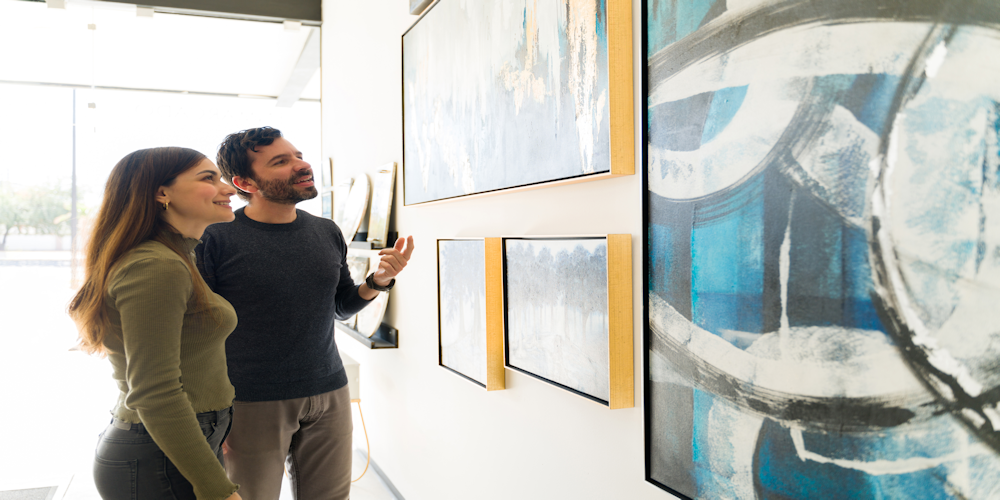
There’s a particular magic in living with a piece of original art that mass-produced prints from a high street shop can’t replicate. Buying your first piece of original art is more than a home décor decision; it’s a milestone that marks the moment you choose to surround yourself with objects that carry real meaning and genuine human creativity. For a first-time art buyer, this can feel both exciting and slightly intimidating. Still, it’s worth remembering that you’re not just purchasing something to fill a blank wall – you’re investing in a one-of-a-kind work that reflects your taste, values and experiences.
Original artwork often becomes a quiet companion in your daily life. Unlike generic prints, it can spark conversation, stir memories and evoke emotions every time you pass it in the hallway or sit down in your living room. When you choose to buy original art, you’re also supporting an artist’s livelihood and contributing to a wider creative culture, rather than feeding into a disposable, fast-decor mindset. Over time, your first piece can become the starting point of a personal collection, a marker of your own journey and growth.
Original Art vs Prints: Understanding What You’re Really Paying For
When you compare original art vs prints, it’s crucial to understand exactly what your money is going towards. An original painting, drawing or sculpture is a one-off creation, made by hand, often over many hours or even weeks. It carries the physical traces of the artist’s process – brushstrokes, texture, corrections, layers of thought and experimentation. This uniqueness is a significant part of the value of original artwork: there is only one, and you own it.
Limited edition prints and other high-quality art reproductions can still be a good option, especially if you’re on a tighter budget, but they are fundamentally different. Limited editions are usually produced in a set number, each signed and sometimes numbered by the artist, which can give them a certain level of collectability. Open-edition prints, on the other hand, can be reproduced indefinitely, which generally keeps prices low but also limits any long-term value.
When you buy unique, hand-painted art or a signed, original piece, you are paying for more than materials. You’re paying for the artist’s skill, imagination, and the time and care that went into creating something that no one else in the world has. While prints can be a great way to start surrounding yourself with images you enjoy, owning original art brings a sense of authenticity and presence that reproductions can rarely match.
Where to Find Original Art as a First-Time Buyer
As a first-time buyer, it can be hard to know where to buy original art without feeling out of your depth. Fortunately, there are many accessible routes, especially in the UK. https://www.thebiscuitfactory.com/ Local art galleries often showcase a range of artists and price points, and staff are usually happy to answer questions and guide newcomers. Art fairs in the UK – from large national events to smaller regional ones – offer the chance to see lots of different styles in one place and to compare works side by side.
Online art platforms have also made buying original work much easier. Reputable websites curate artists and provide clear information about materials, sizes, and prices, often including close-up photographs so you can inspect details. Many artists now sell directly through their own websites or social media, which can be a more personal way to build a connection and sometimes secure more affordable prices.
If you’re keen to support emerging artists, consider visiting graduate art shows at universities and art schools, or arranging studio visits where possible. Meeting artists in their working environment can be incredibly inspiring and gives you insight into their process and ideas. Each of these options allows you to support creative talent while discovering pieces that resonate with you and your budget.
Decoding Styles, Mediums and Jargon: Talk About Art with Confidence
One barrier for many new buyers is the feeling that you don’t “speak the language” of art. Learning a few basics about art styles and mediums can quickly boost your confidence. Abstract vs figurative art is a simple starting point: figurative work depicts recognisable subjects such as people, landscapes or objects, while abstract art focuses more on colours, shapes and textures to convey feeling rather than literal scenes.
You’ll also hear terms like contemporary art and modern art. Broadly, modern art refers to work from the late 19th to the mid-20th century, while contemporary art usually means work created more recently, often by living artists. Understanding mediums is useful too: oil paintings tend to have rich colour and depth, acrylic paintings dry quickly and can be more versatile, and watercolours have a translucent, delicate quality. Mixed media art combines different materials – perhaps paint with collage, ink or found objects – to create layered effects.
If you’re considering sculpture for beginners, you might encounter materials such as bronze, ceramic, wood or resin. Each has its own look, feel and level of durability. Becoming familiar with basic art terminology – words like “medium”, “provenance” or “edition” – allows you to ask informed questions and talk about art more comfortably, even if you still consider yourself a novice.
Setting a Realistic Budget (and Sticking to It)
It’s easy to get carried away when you fall in love with a piece, so setting an art buying budget in advance is essential. Decide how much you’re prepared to spend on original art and be honest about what feels comfortable. This doesn’t mean you can’t ever stretch for something special, but having a baseline figure helps you narrow your options and avoid financial regret.
Affordable original art is more accessible than many people realise. Smaller works, works on paper, prints by established artists, or pieces by emerging artists can offer excellent value for money. Ask galleries or artists about payment plans for art if a particular piece is slightly above your immediate budget; many are open to instalments or staged payments.
If you’re also thinking of art as an investment, remember that no return is guaranteed. Focus on value for money in art in a broader sense: a work that gives you daily enjoyment and enhances your home already offers a return, even if its market value never dramatically increases. Sticking to a realistic budget means you can build your collection steadily and confidently over time.
Choosing Art that Works in Your Space (Without an Interior Designer)
You don’t need an interior designer to choose art that looks right in your home. Start by considering the role art will play in each room. For art for the living room, you might want a statement piece above the sofa that anchors the space and sets the tone. For art for the bedroom, many people prefer calmer, more intimate works that create a sense of rest and retreat.
An artwork size guide can help you avoid common mistakes. As a rule of thumb, pieces that are too small can look lost above large furniture, while oversized works can overwhelm a tiny wall. Measure your walls and use masking tape or paper cut-outs to visualise different sizes before you buy. Matching art to your décor doesn’t mean everything must be perfectly coordinated, but consider whether the colours and style of the piece will clash or complement what you already have.
You might choose a single statement piece, or create a gallery wall with a mix of artworks, photographs and prints. When hanging art at home, think about eye level – typically around 145–155 cm from the floor to the centre of the piece – and the relationship between works if you’re grouping them. Lighting for art also matters: natural light is flattering, but direct sunlight can damage some materials, so consider soft, indirect lighting or adjustable picture lights to show your artwork at its best.
Talking to Artists and Galleries: Questions You Should (and Shouldn’t) Ask
Approaching artists and galleries can feel intimidating, but remember they generally want to help you find work you love. When you talk to artists, show genuine interest in their work: ask about their inspiration, process, materials and how long a piece took to create. These questions not only deepen your understanding but often increase your connection to the artwork.
When buying from galleries, it’s perfectly acceptable to ask about pricing, payment options, and whether a piece is part of a series. Good questions to ask when buying art include: Is this a one-of-a-kind work or part of an edition? How should it be cared for? Has the artist exhibited widely? Asking about discounts is sometimes possible, but do so respectfully and be prepared to accept “no” – aggressive haggling is generally poor gallery etiquette.
Building relationships with artists and supporting local artists can be one of the most rewarding parts of collecting. Over time, they may offer you first access to new work or special commissions. What you should avoid are questions that devalue their effort, such as implying the work is overpriced or asking them to copy another artist’s style. A respectful, curious approach benefits everyone involved.
Caring for Your First Piece: Framing, Hanging and Looking After Your Artwork
Once you’ve bought your first piece of original art, looking after it properly will help preserve its beauty and value. How to frame original art depends on the medium: works on paper often need mounts and UV glass to protect against fading, while canvases may be displayed unframed or with a simple tray frame. Framing costs can vary widely, so it’s worth getting a couple of quotes and discussing options with a reputable framer.
Protecting paintings involves keeping them away from extreme temperature changes, humidity and direct sunlight. Regular but gentle dusting with a soft, dry cloth is usually sufficient; cleaning art with water or household products is rarely advisable and can cause damage. If you’re unsure, ask the artist or gallery for care recommendations.
For particularly valuable or sentimental works, consider insuring art at home as part of your contents insurance, making sure the policy covers individual items of higher value. With a little attention and care, you’ll be preserving art for the long term, ensuring that your first piece can continue to bring pleasure for decades.
Growing Your Confidence as an Art Buyer
Your first purchase is often just the beginning. Starting an art collection doesn’t require vast wealth; it requires curiosity, patience and a willingness to learn. Over time, as you keep buying more art, you’ll begin developing your taste – noticing patterns in what you’re drawn to, whether that’s bold abstracts, delicate line drawings or expressive portraits.
Following artists whose work you admire, subscribing to art newsletters, and visiting galleries regularly can keep you engaged and informed. You’ll start to recognise names, understand price ranges, and feel more comfortable making decisions. As your confidence grows, you might experiment with different mediums, support a wider range of emerging artists, or gradually increase your budget for special pieces.
Becoming a confident art buyer is a journey, not a single moment. With each new addition, you’re not only building an art collection but also creating a visual diary of your evolving tastes and the different chapters of your life.
Make Your First Art Purchase and Bring Daily Joy into Your Home
Buying your first piece of original art is a meaningful step towards creating a home that feels uniquely yours. By understanding the difference between original art and prints, clarifying why you want to buy, setting a sensible budget and learning where to look, you can approach the process with confidence rather than anxiety.
Art that brings joy doesn’t have to be grand or expensive; it simply needs to resonate with you. When you live with art you love, everyday moments – walking down the hallway, sitting with a cup of tea, welcoming guests – are quietly enriched. If you’ve been hesitating, consider this your encouragement to take the next step. Start your art collection today, however small, and allow that first piece of original art to bring lasting pleasure, personality and inspiration into your home.